
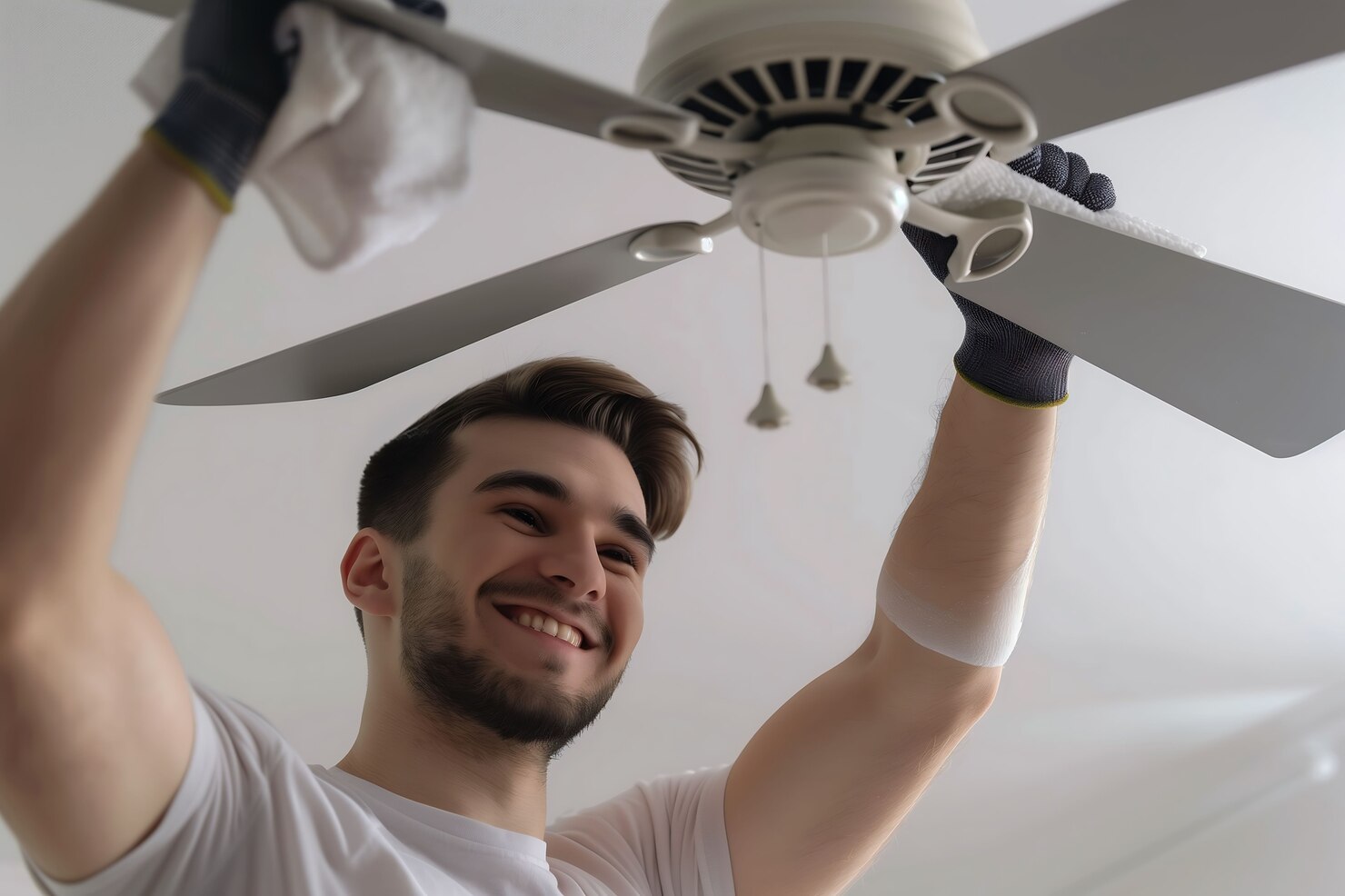
Ceiling fans run quietly above us every day, but we rarely notice how dusty they become. Over time, fans collect layers of dirt, grime, allergens, and even sticky grease — especially in humid kitchens or high-usage rooms. The result? Poor airflow, reduced cooling, unhealthy air, and an overall dull appearance in your home.
In 2025, Fan Cleaning has become an essential part of maintaining a healthy, hygienic living space. Clean fans are not only important for comfort but also for better health, energy efficiency, and a dust-free environment.
This guide takes you through everything you need to know about fan cleaning — why it matters, how to plan it, mistakes to avoid, tools to use, and how Homelynn can make your fans look and perform like new.
Understanding Fan Cleaning
Fan cleaning is not just about wiping the blades. It’s a detailed process that involves:
- Removing thick dust layers
- Cleaning the motor housing
- Removing grease and sticky buildup
- Wiping down blade tops and edges
- Cleaning downrod and canopy
- Sanitizing switches and regulators
- Ensuring smooth airflow
Over time, fans accumulate:
- Dirt
- Dust mites
- Grease
- Spiderwebs
- Allergens
- Sitting airborne particles
Dirty fans circulate polluted air around the room every time they run. That’s why regular, structured cleaning is essential for a healthy home.
Why Fan Cleaning Matters
You may not think about your fan often, but cleaning it has major benefits.
- Better Airflow & Cooling
Dusty blades disrupt airflow.
Clean blades = stronger breeze + better cooling.
2. Cleaner & Healthier Air
Dirty fans blow dust directly onto:
- Furniture
- Beds
- Floors
- Your face
A clean fan reduces allergies and respiratory issues.
3. Energy Efficiency
Fans run faster and smoother when clean.
A clean fan uses less energy and prolongs motor life.
4. Improved Appearance
Dusty fans make the entire home look untidy.
Clean fans brighten rooms instantly.
5. Increased Lifespan
Removing dust from the motor prevents overheating, extending the fan’s life.
Planning Your Fan Cleaning Routine
Before cleaning a fan, planning ensures better results and less mess.
1. Identify the Types of Fans
Every fan requires different cleaning approaches:
- Ceiling fans
- Wall-mounted fans
- Pedestal fans
- Table fans
- Exhaust fans
- Decorative / designer fans
Make a list of all fans at home.
2. Choose the Right Cleaning Frequency
Ideal cleaning schedule:
- Living room fan: Every 15–20 days
- Bedroom fan: Every month
- Kitchen fan: Every 2 weeks
- Pedestal & table fans: Monthly
- Exhaust fans: Every 2 months
Kitchen fans need the most attention because of oil buildup.
3. Gather Your Cleaning Supplies
Before starting, arrange:
- Microfiber cloths
- Mild cleaning solution
- Bucket of warm water
- Screwdriver (for table/pedestal fans)
- Step stool or ladder
- Cleaning brush
- Old sheets or newspaper to spread below
- Disposable gloves
Preparation prevents mess and makes cleaning easier.
4. Turn Off the Fan & Ensure Safety
Before cleaning:
- Turn off the switch
- Let the fan stop fully
- Use a sturdy stool or ladder
- Avoid using excessive water near motor
- Safety first, always.
Designing an Effective Fan Cleaning Strategy
Here’s the perfect step-by-step cleaning plan:
1. Start by Removing Loose Dust
Use:
- A long-handled microfiber duster
- A dry cloth
- A vacuum cleaner (optional)
This removes 60–70% of the dust instantly.
2. Wipe Blades Thoroughly
Use warm soapy water or mild cleaner:
- Wipe top of the blades
- Wipe bottom of the blades
- Clean edges properly
- Remove stains or sticky spots
This restores the blade’s shine and smooth airflow.
3. Clean the Motor Housing
Dirt around the motor reduces efficiency.
Gently clean:
- Motor casing
- Downrod
- Canopy
- Switchboard & regulator
Avoid letting water enter the motor.
4. Polish the Blades (Optional)
If your fan is:
- Wooden finish
- Metal
- Decorative
Use a safe polish or finishing spray for shine.
5. Reassemble Pedestal/Table Fans
For removable fans:
- Open the grill
- Unscrew blades
- Wash with soap
- Dry completely
- Reassemble
This ensures deep cleaning and hygiene.
6. Clean the Floor After Cleaning the Fan
Dust falls down. Sweep or vacuum the floor afterward.
Common Fan Cleaning Mistakes to Avoid
Even regular cleaners make these mistakes
Using Excessive Water
This can damage the motor.
Ignoring the Blade Tops
Dust on top spreads everywhere when the fan runs.
Not Cleaning Regularly
More delay = more dust + more effort.
Using Harsh Chemicals
They can fade paint or damage blades.
Cleaning While Fan Is ON
Very dangerous — always switch OFF.
Forgetting Exhaust Fans
They gather the most grease and should be cleaned frequently.
Best Practices for Fan Cleaning
To get perfect results:
- Clean fans in the morning when humidity is low
- Spread old sheets to catch falling dust
- Wear a mask for protection
- Use gentle wipes for decorative fans
- Clean fan switches and regulator knobs
- Oil fan bearings occasionally (if recommended by manufacturer)
- Schedule monthly cleaning for high-use rooms
Consistency keeps fans dust-free year-round.
Fan Cleaning Across Different Fan Types
Each fan has its own cleaning style:
1. Ceiling Fans
Dust + sticky particles = reduced airflow.
Need monthly wiping + deep cleaning.
2. Kitchen Fans
These gather grease, oil fumes, and stickiness.
Require degreasing solutions and frequent cleaning.
3. Pedestal Fans
Removable grills make deep cleaning easy.
Wash blades and grills thoroughly.
4. Wall-Mounted Fans
Dust buildup reduces oscillation efficiency.
Clean grills and blades regularly.
5. Exhaust Fans
Most neglected — but extremely important.
Require deep degreasing and motor cleaning.
The Psychology Behind a Clean Fan
A fan may seem small, but a clean fan impacts your home’s energy.
Psychologically:
- Clean spaces feel cooler
- Clean fans make rooms look neat
- Reduced dust improves sleeping comfort
- Fresh airflow boosts mood
- Clean rooms inspire productivity
It’s the subtle things that make a home feel peaceful.
Real-Life Fan Cleaning Transformations
Transformation 1: Kitchen Fan
Layer of grease made airflow weak.
After deep cleaning → Fan looked new & improved airflow.
Transformation 2: Bedroom Fan
Family kept sneezing.
After cleaning → Dust-free airflow & better sleep.
Transformation 3: Living Room Decorative Fan
Lost its shine due to dust.
After cleaning → Restored beauty of the room.
Advanced Fan Cleaning Techniques
For premium results, try:
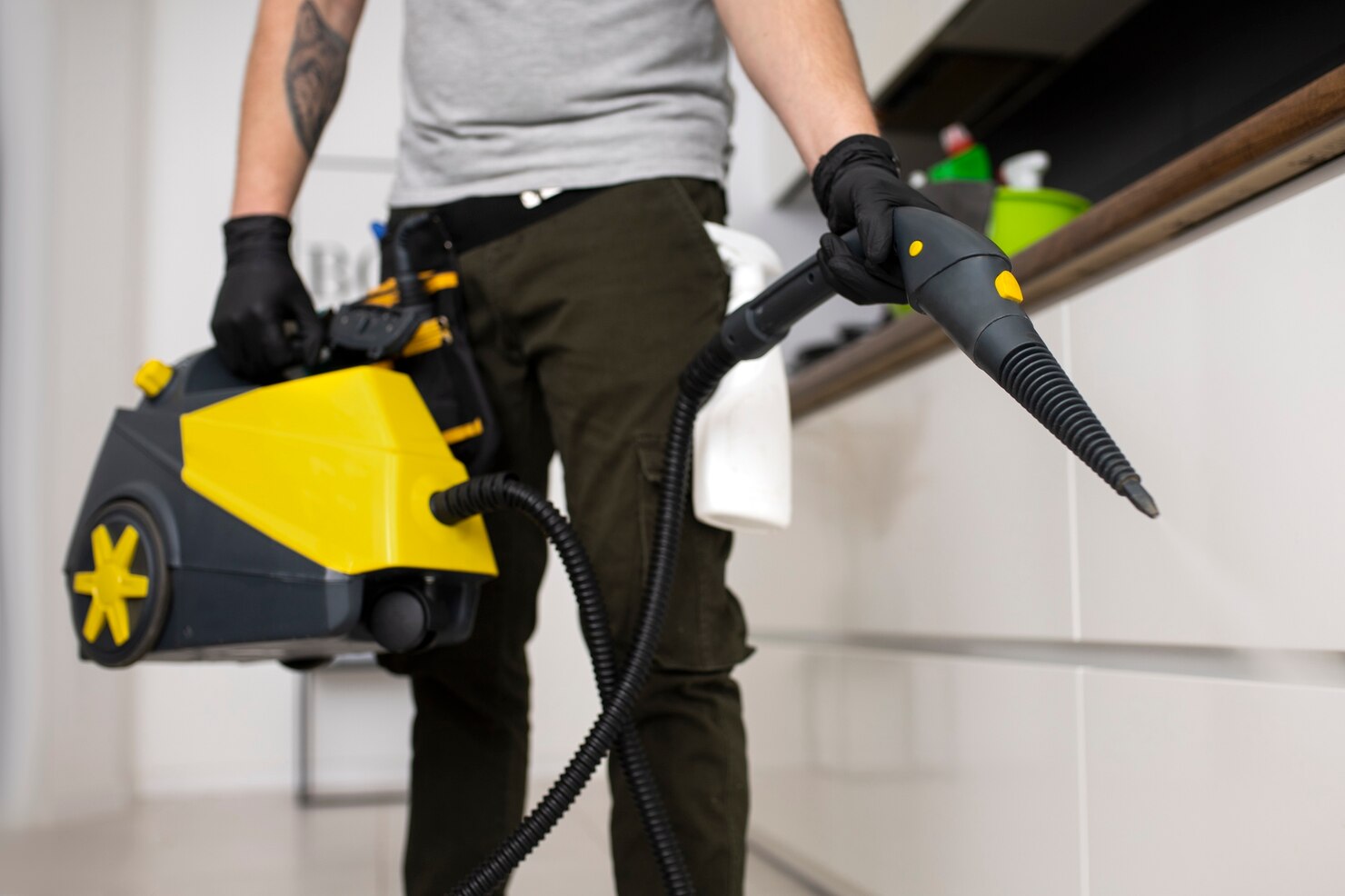
- Steam cleaning (for sticky grease)
- Anti-dust coating sprays
- Vacuum attachments for faster cleaning
- Eco-friendly cleaning solutions
- Motor rejuvenation techniques
Great for homes with allergies, pets, or high dust levels.
Tools That Make Fan Cleaning Easier
Recommended tools:
- Extendable duster
- Multipurpose cleaner
- Degreasing spray
- Soft microfiber cloths
- Step ladder
- Mini vacuum
- Cleaning brush
- Oil for bearings (if required)
The right tools make cleaning effortless.
Case Study: Homelynn Fan Cleaning Success
One customer had 6 fans that hadn’t been cleaned for months.
Problems:
- Weak airflow
- Black dust falling
- Sticky kitchen fan
- Allergies in children
What Homelynn did:
- Deep cleaned every fan
- Used proper tools
- Degreased kitchen fan
- Cleaned motor housing
- Sanitized switchboards
Results:
- Airflow improved by 75%
- No dust shedding
- Fans looked brand new
- Better breathing comfort
Customer review:
“I didn’t know fans could become THIS clean!”
Conclusion
Fan cleaning may seem like a small task, but it makes a big difference in your home’s comfort, air quality, and cleanliness. Dust-free fans improve airflow, reduce allergies, enhance hygiene, and extend the life of your appliances.
In 2025, smart cleaning habits, professional techniques, and regular maintenance ensure your home stays fresh and healthy.
With Homelynn’s Fan Cleaning Service, you no longer need to climb ladders, deal with dust, or struggle with sticky stains.
We clean every corner of your fan — safely, quickly, and professionally.
Fresh air begins with clean fans.
Let Homelynn help your home breathe better.

0 Comments